Why Some Places Stay With You Long After You Leave
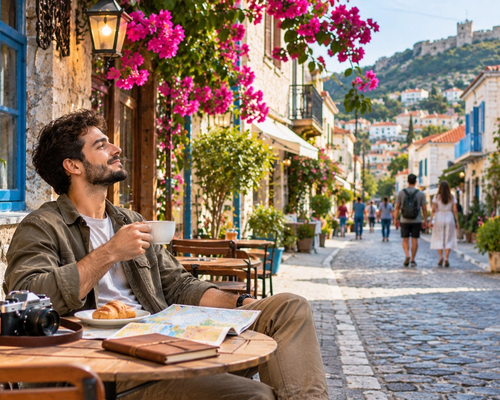
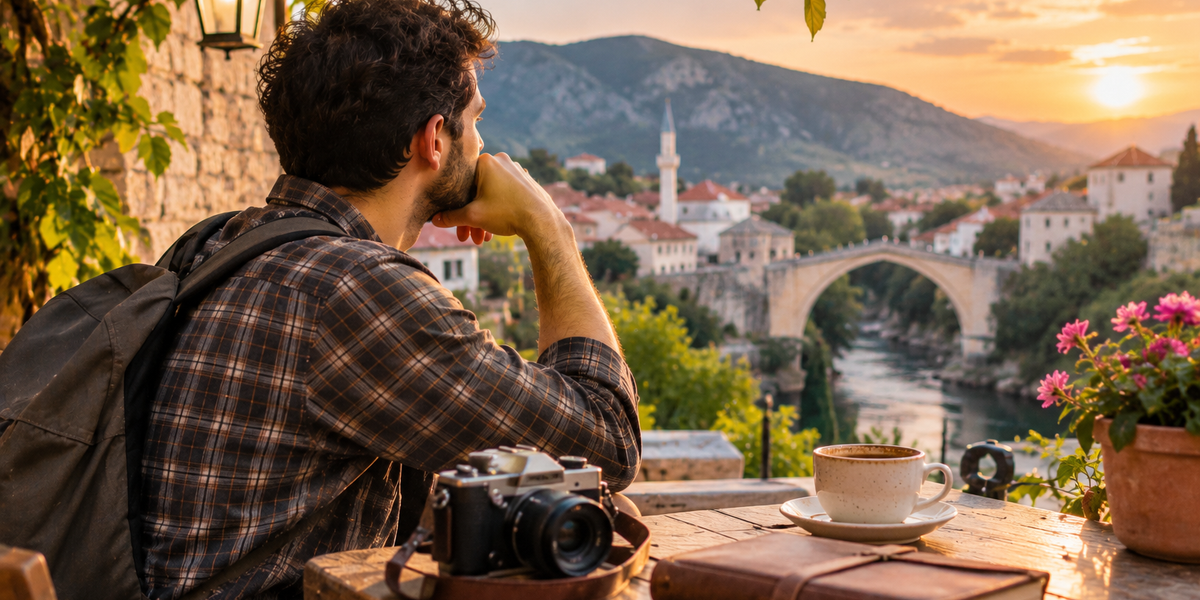
Some places disappear from your mind almost as soon as the trip ends. You remember that you went, you have photographs proving it, and you might even recommend the destination to someone else, but the place itself gradually becomes another entry in the archive of things you have seen. Then there are places that refuse to leave. Months or years later, something small brings them back: the smell of coffee, a particular kind of evening light, a song you heard in a taxi, rain against a hotel window. Suddenly, for a second, you are there again.
What makes this strange is that the places we remember most are not always the most beautiful or famous ones. You can stand in front of something you have wanted to see your entire life and feel surprisingly little, then become deeply attached to an ordinary street in a city you visited almost by accident. Travel guides can tell us what is impressive, but they cannot predict what will become personal. That happens somewhere between the destination itself and the person we happened to be when we arrived.
We Remember How a Place Made Us Feel
Memory is not a perfect recording of events. Over time, many practical details disappear. You forget the name of the restaurant, which bus you took, what the museum ticket cost, or exactly where the hotel was. What often remains is atmosphere. You remember that mornings felt peaceful there. You remember laughing constantly. You remember feeling independent, curious, in love, relieved, or completely removed from ordinary life.
That is why returning to a place years later can feel so emotional. You are not simply returning to a geographical location. You are meeting an earlier version of yourself. The café may have changed, the neighborhood may look different, and the people you traveled with may no longer be part of your life in the same way, but memory has preserved a version of that place exactly as it was when you experienced it. Sometimes what we miss about a destination is partly who we were while we were there.
Ordinary Moments Often Become the Strongest Memories
We travel expecting to remember the major sights, yet years later it is often the smallest moments that survive most vividly. A breakfast on a balcony. Walking back to the hotel late at night. Buying fruit from a market. Getting caught in the rain. Sitting on a train watching unfamiliar towns pass outside the window. None of these moments would make an itinerary, but somehow they become the texture of the trip.
Perhaps that is because these are the moments when we stop trying to experience the destination correctly. We are no longer checking recommendations or thinking about what comes next. We are simply there. A city becomes real when it stops being a collection of attractions and becomes somewhere you bought toothpaste, waited for a bus, found a favorite bakery, or walked down the same street three mornings in a row. Those ordinary repetitions create a tiny sense of belonging, even when we know we are leaving soon.
People Become Part of the Geography
Sometimes a place stays with us because someone is permanently attached to it. It might be the person you traveled with, someone you visited, or even someone you met briefly along the way. Certain destinations become inseparable from particular relationships and chapters of our lives.
This is why the same place can mean completely different things to different people. Paris might be someone’s honeymoon and someone else’s first solo trip. A small coastal town might mean nothing to most visitors but contain an entire childhood for someone else. Geography becomes emotional because we fill it with people. Long after the details of a trip fade, remembering where we were can bring back who was beside us.
Distance Makes Places Softer
Memory is also an excellent editor. Once we leave, the irritating parts of travel often begin disappearing. The delayed train becomes a funny story. The terrible weather becomes atmospheric. The tiny hotel room becomes charming. We forget how tired our feet were and remember the street we were walking down.
This does not mean our memories are false. It simply means distance changes what matters. Once the practical inconveniences disappear, we are left with the feeling of the experience. Sometimes that softened version becomes even more powerful than the place itself. We are no longer remembering every detail; we are remembering what the destination came to represent.
Some Places Become Part of Your Personal Map
There are destinations you visit once and somehow continue carrying with you. You check the weather there occasionally. You notice when someone mentions them. You recognize photographs before reading the caption. You wonder what that little restaurant looks like now or whether the same old man still sits outside the shop you passed every morning.
You may return someday, or you may never return at all. Either way, the place has already become part of your personal geography. It exists alongside childhood homes, familiar streets, and all the other locations where pieces of your life happened.
Maybe that is the real gift of travel. We leave thinking we are collecting places, but eventually some of those places begin collecting pieces of us. We return home, unpack the suitcase, wash the clothes, and continue with ordinary life. Yet somewhere far away, a street corner, a mountain, a coastline, or a café remains connected to a version of ourselves that existed there.
And every once in a while, without warning, something brings it back.
For a moment, the distance disappears.